

Decoding Your Dashboard Warning Lights: A Webb Auto Group Guide
Decoding Your Dashboard Warning Lights: A Webb Auto Group Guide
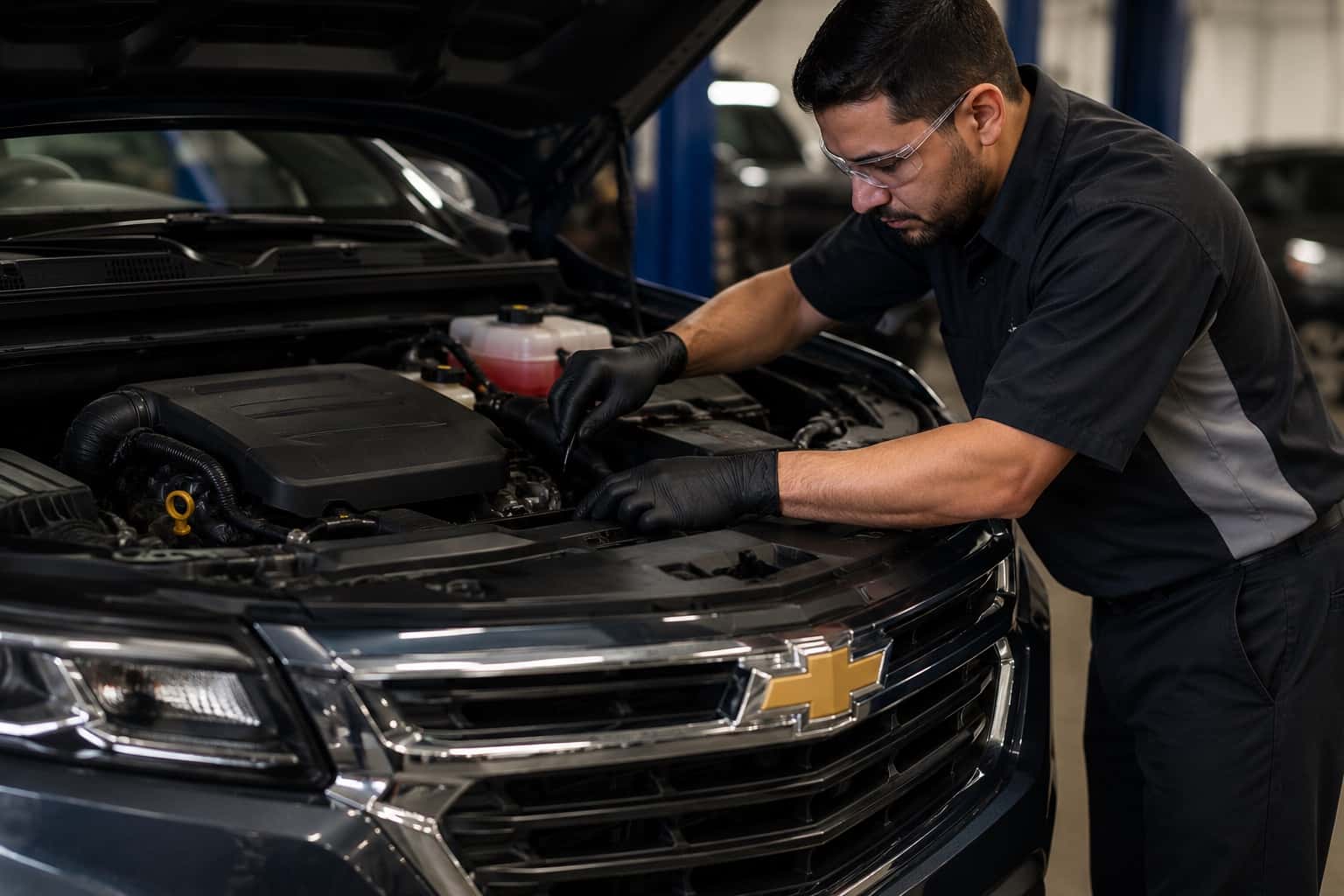
A dashboard light comes on and suddenly you’re wondering whether to pull over immediately or just make a mental note for your next service visit. Knowing which lights mean “stop now” versus “schedule service soon” can save you money and worry, whether you drive a Hyundai, Chevrolet, or Genesis. Here’s a plain-language guide from the certified service teams across the Webb Auto Group family of dealerships.
What Do Warning Light Colors Generally Mean?
Most vehicles use a simple color system: green or blue lights are informational, yellow or amber means something needs attention soon, and red means stop and address it right away. This general rule applies across Hyundai, Chevrolet, and Genesis vehicles, though it’s worth confirming specifics in your owner’s manual.
What Does the Check Engine Light Mean?
A steady check engine light usually means a sensor or emissions-related issue that should be diagnosed soon, while a flashing check engine light signals a more serious problem and calls for pulling over and getting the vehicle checked promptly. Either way, a diagnostic scan at a service center identifies the specific cause.
| Warning Light | General Meaning |
|---|---|
| Check engine (steady) | Diagnose soon — often sensor or emissions related |
| Check engine (flashing) | Pull over and get checked promptly |
| Oil pressure (red) | Stop driving as soon as safely possible |
| Battery/charging | Charging system issue — have it tested soon |
| Brake warning (red) | Stop and check brake fluid or parking brake immediately |
| Tire pressure (TPMS) | Check tire pressure on all four tires |
What Does the Oil Pressure Light Mean?
An oil pressure warning light — usually shaped like an old-fashioned oil can — means the engine isn’t getting adequate lubrication and should be treated as urgent. Continuing to drive with low oil pressure risks serious engine damage, so pulling over safely and checking oil level is the right first step.
What Does the Battery or Charging Light Mean?
A battery-shaped light usually points to a charging system issue rather than the battery itself, often the alternator not keeping the battery charged while driving. It’s not usually an immediate emergency, but it’s worth having tested soon before you’re left with a dead battery.
What Does the Brake Warning Light Mean?
A red brake warning light can mean low brake fluid, an engaged parking brake, or a more serious brake system issue, and should be treated as urgent. Check that the parking brake is fully released first, then have the system inspected if the light stays on.
What Does the Tire Pressure Light Mean?
The tire pressure monitoring system (TPMS) light means one or more tires has dropped below the recommended pressure, which commonly happens as temperatures fall in autumn. Checking and adjusting pressure on all four tires often resolves it, though a persistent light can indicate a slow leak.
What Does the Temperature Warning Light Mean?
A temperature warning light means the engine is running hotter than it should, and continuing to drive can cause serious damage. Pull over safely, turn off the engine, and let it cool before checking coolant level — never open a hot radiator cap.
What Does the ABS Light Mean?
An ABS light on its own usually means the anti-lock braking system has a fault, while regular braking should still work normally. It’s not usually an emergency, but it should be diagnosed soon since ABS is an important safety feature in slippery conditions.
What Does the Airbag Warning Light Mean?
An airbag warning light means the system has detected a fault and airbags may not deploy correctly in a collision. This should be diagnosed promptly since it’s a core safety system.
What Should You Do When a Light Comes On?
Check your owner’s manual for the specific light and its urgency, then schedule a diagnostic visit at your nearest Webb Auto Group service center — Hyundai, Chevrolet, or Genesis — for anything beyond a simple tire pressure fix.
How to Respond When a Warning Light Appears
- Note the light’s color — red generally means more urgent than yellow or amber.
- Check your owner’s manual to identify the specific light and its meaning.
- For red lights (oil pressure, brake, temperature), pull over safely as soon as possible.
- For yellow/amber lights, plan to get it checked within the next few days.
- Book a diagnostic visit at your nearest Webb Auto Group service center if the light persists.
Key Takeaways
- Red warning lights generally mean stop and address the issue right away; yellow/amber means schedule service soon.
- A flashing check engine light is more urgent than a steady one.
- Oil pressure, brake, and temperature warning lights should be treated as urgent every time.
- Tire pressure lights commonly appear as temperatures drop in fall.
- An ABS or airbag light means an important safety system needs diagnosis, even if the vehicle otherwise drives normally.
- Every Webb Auto Group service center — Hyundai, Chevrolet, or Genesis — can run a full diagnostic scan.
Frequently Asked Questions
Is it safe to keep driving with the check engine light on?
A steady light usually allows driving to a service appointment soon, but a flashing check engine light means pulling over and getting checked promptly.
What should I do if the oil pressure light comes on?
Pull over safely as soon as possible and check oil level — continuing to drive with low oil pressure risks serious engine damage.
Why does my tire pressure light keep coming on in fall?
Cold air causes tire pressure to drop, which commonly triggers the TPMS light as temperatures fall in autumn.
Does a battery light mean I need a new battery?
Not necessarily — it often points to a charging system issue like the alternator rather than the battery itself, though it’s worth having tested soon.
Can any Webb Auto Group location run a diagnostic scan?
Yes, every Webb rooftop’s service center — Hyundai, Chevrolet, or Genesis — can diagnose a dashboard warning light.
Got a light on you’d like checked out?


0 comment(s) so far on Decoding Your Dashboard Warning Lights: A Webb Auto Group Guide