

Essential Steps to Take if Your Car Requires Repairs Before Warranty Expiration
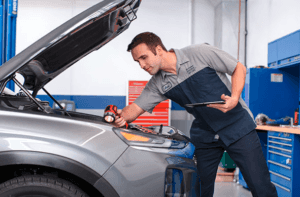
Acting before your factory warranty lapses preserves coverage and prevents unexpected out-of-pocket repair costs, so urgency is essential. This guide explains what to check in your warranty paperwork, how to document maintenance, and when to schedule a pre-warranty inspection to protect your claim eligibility. You will learn a prioritized checklist of actions, the dealership and manufacturer claims workflow, the key documents to bring for a warranty repair, and timing guidance for inspections so problems are diagnosed while coverage still applies. The article covers how authorized service, inspection reports, and maintenance logs work together to support a successful warranty repair and how to evaluate extended protection options if factory coverage is ending. Practical lists, easy-to-scan comparison tables, and brief templates for organizing records make the steps immediately actionable. Throughout, the content emphasizes certified service and recordkeeping practices that help owners verify how to get car repairs covered by warranty and avoid common pitfalls before expiration.
What Should You Do Before Your Car Warranty Expires?
Start by defining the warranty terms that apply to your vehicle and confirming the exact end date using your purchase documents or VIN verification with the manufacturer. Understanding the coverage type and exclusions clarifies which repairs remain eligible under factory warranty and reduces the risk of overlooked maintenance requirements that can void coverage. The next step is to assemble a concise maintenance log and to book a pre-warranty inspection if any concerns exist, which creates dated proof of condition and supports later claims. The following numbered checklist prioritizes actions to take immediately so you can preserve warranty rights and prepare for any needed authorized repairs.
- Check your warranty end date and the specific coverage scope in the warranty booklet.
- Gather service records, receipts, and odometer readings demonstrating required maintenance.
- Schedule a certified pre-warranty inspection if you have signs of trouble or are near the coverage limit.
Taking these steps creates a clear timeline and supporting evidence that strengthens a future warranty claim and reduces dispute risk.

How to Review Your Car Warranty Documents Effectively
Begin by locating the warranty’s start and end dates and identifying whether the coverage is bumper-to-bumper, powertrain, or limited for specific components. Read the exclusions and required maintenance clauses to learn what actions could void coverage, and note any manufacturer service intervals that must be followed. Use the vehicle identification number (VIN) to confirm active warranty status through manufacturer tools or an authorized service advisor, and flag any recall or service bulletin references that might apply to your repair. This targeted review reduces ambiguity and prepares you to present precise information when you request a warranty repair.
Why Scheduling a Pre-Warranty Inspection Is Crucial
A pre-warranty inspection identifies emerging faults while the warranty still covers corrective work, which can prevent a costly denial if damage progresses past the coverage date. Inspections generate a dated report and diagnostic codes that document the vehicle’s condition and provide a time-stamped record for claims, establishing cause and condition before expiration. Proactively scheduling an inspection also shortens repair lead times because parts can be ordered and approvals secured while coverage is active. Timely inspection therefore converts an uncertain future repair into a documented, time-bound service event that supports warranty eligibility.
| Warranty Element | Detail | Why it Matters |
|---|---|---|
| Coverage Type | Bumper-to-bumper, powertrain, or limited | Determines which components are eligible for repair under warranty |
| Coverage Period | Start date, mileage limit, end date | Establishes the window for filing claims and scheduling inspections |
| Exclusions & Requirements | Routine maintenance, wear items, misuse | Identifies actions that may void coverage or require proof of service |
This comparison helps owners spot the critical elements to verify quickly and to act before the warranty window closes.
How Can You Get Your Car Repairs Covered by Warranty?
Getting warranty-covered repairs requires following the manufacturer-approved workflow: documented diagnosis, authorization, and repair at an authorized facility or through the manufacturer’s claims process. Presenting clear maintenance records and a timely diagnostic report increases the likelihood that a repair will be approved; conversely, gaps in service history or missed required maintenance are common denial reasons. If the dealer handles warranty repairs, expect an inspection, a diagnostic charge that may be waived if covered, parts sourcing if needed, and documentation of authorization for warranty payment. The table below lists the documents most frequently required to support a warranty claim and explains why each matters to the approval process.
- Before reading the table, prepare to explain mileage, previous repairs, and any symptoms clearly to the service advisor so the evidence aligns with the claim.
| Document | Why Required | Example |
|---|---|---|
| Maintenance records | Show compliance with required service intervals | Dated receipts showing oil changes and inspections |
| Repair orders | Demonstrate prior fixes and related issues | Previous dealer repair orders listing parts replaced |
| Purchase/lease paperwork | Establish original warranty start point | Sales agreement or lease contract with VIN |
| VIN & owner ID | Verify vehicle and authorized owner for claims | VIN on registration and owner driver’s license |
Summarize the documents before you arrive and keep photocopies or digital scans readily available so the service advisor can submit a complete claim without delays.
What Is the Dealership Warranty Service Process?
When you bring a vehicle to an authorized dealer for a warranty issue, the service advisor documents symptoms and performs an initial diagnostic to identify the likely cause. The technician completes a diagnostic report and the dealer submits a warranty authorization request to the manufacturer or uses internal approval protocols for covered items. Once authorization is granted, parts procurement and repair proceed with quality checks and a final repair order documenting the work performed for the owner and the manufacturer. Clear communication, concise symptom descriptions, and immediate access to maintenance records all shorten the authorization timeline and reduce the potential for follow-up disputes.
What Documents and Records Do You Need for a Warranty Claim?
Organize a concise packet that includes dated service receipts, prior repair orders, the original purchase paperwork, VIN documentation, and any recall notices or technical service bulletins you’ve received. Each item plays a specific role: maintenance receipts show you followed required service intervals, repair orders illustrate recurring issues, and the purchase documents establish the warranty period. Keep both paper and digital copies in chronological order with mileage entries for each service to make submission straightforward for the service advisor. A tidy record reduces ambiguity, supports causation arguments, and can be decisive when a manufacturer evaluates whether a repair is covered.
When and How Should You Schedule a Pre-Warranty Car Inspection?
Schedule a pre-warranty inspection within the final 1,000–3,000 miles or 30–60 days before your warranty’s mileage or time limit to ensure any developing issues are documented in the coverage window. An inspection should include a multi-point mechanical check, diagnostic scan for trouble codes, and a written report with mileage and date to establish a condition baseline. Prepare the car by assembling service receipts and noting symptoms, recent noises, or performance changes so the technician can reproduce issues during the appointment. The brief checklist below helps you prepare for the inspection and ensures the resulting report clearly supports any later warranty work.
- Note current mileage and the warranty end date.
- Compile recent maintenance receipts and repair orders.
- List specific symptoms, noises, or performance issues to describe at check-in.
Following these steps creates a strong, time-stamped record of condition that helps warranty adjudicators determine coverage eligibility and expedites any subsequent authorization.
What Does a Certified Pre-Warranty Inspection Include?
A certified pre-warranty inspection covers major systems such as engine, transmission, brakes, suspension, and electrical diagnostics paired with a full fluid check and a scan for diagnostic trouble codes. The technician records mileage, reproduces reported symptoms when possible, and produces a written inspection report that outlines recommended repairs, severity, and whether immediate action is required while coverage remains active. Inspections performed by certified technicians also note when manufacturer updates or technical service bulletins may apply, which can affect repair authorization. A clear report reduces ambiguity and establishes timely evidence linking condition to coverage.
How Webb Hyundai Highland Supports Your Pre-Warranty Inspection Needs
Webb Hyundai Highland offers certified technicians and access to genuine parts, enabling thorough inspections and repair work that align with factory warranty processes. Their service center can create formal inspection reports and submit documentation necessary for warranty authorization, and their service team can advise on coverage language and required maintenance to preserve eligibility. Vehicle owners in the Chicago and Northwest Indiana area benefit from an integrated approach that includes scheduling service, parts availability, and guidance on financing or extended options when factory coverage ends. If you need help interpreting warranty documents or arranging a pre-warranty inspection, the dealership’s service resources are positioned to assist owners through the process.
What Are the Benefits of Considering an Extended Car Warranty?
Extended vehicle protection offers financial predictability by covering high-cost component failures after factory warranty expiration, which can protect against major engine or transmission repairs that otherwise cause large out-of-pocket expenses. Different providers—manufacturer extensions, third-party contracts, or dealership-facilitated plans—vary by coverage scope, deductible, provider reputation, and term length, so comparing attributes helps determine the best fit for your driving profile. Extended coverage can also support resale value and provide peace of mind for vehicles with high repair exposure or intensive use; the short list below highlights primary advantages to weigh when the factory warranty is ending.
- Protection from large, unexpected repair bills for major drivetrain and electrical systems.
- Transferable options that can increase resale appeal for prospective buyers.
- Predictable repair costs with deductibles and set contract terms.
| Provider Type | Attribute | Typical Consideration |
|---|---|---|
| Manufacturer extension | Coverage scope | Closest match to original factory terms |
| Third-party provider | Cost & flexibility | Often customizable but varies by claims network |
| Dealership-facilitated | Convenience & financing | Can be arranged at sale or through finance options |
This comparison clarifies trade-offs so owners can decide if extended protection aligns with their risk tolerance, vehicle use, and resale plans. For owners seeking dealership assistance, Webb Auto Group can facilitate inquiries about extended protection, and the finance team can explain available plan pathways and how they complement remaining factory coverage.



0 comment(s) so far on Essential Steps to Take if Your Car Requires Repairs Before Warranty Expiration