

Fall Vehicle Maintenance Checklist for Chicagoland & Northwest Indiana Drivers
Fall Vehicle Maintenance Checklist for Chicagoland & Northwest Indiana Drivers
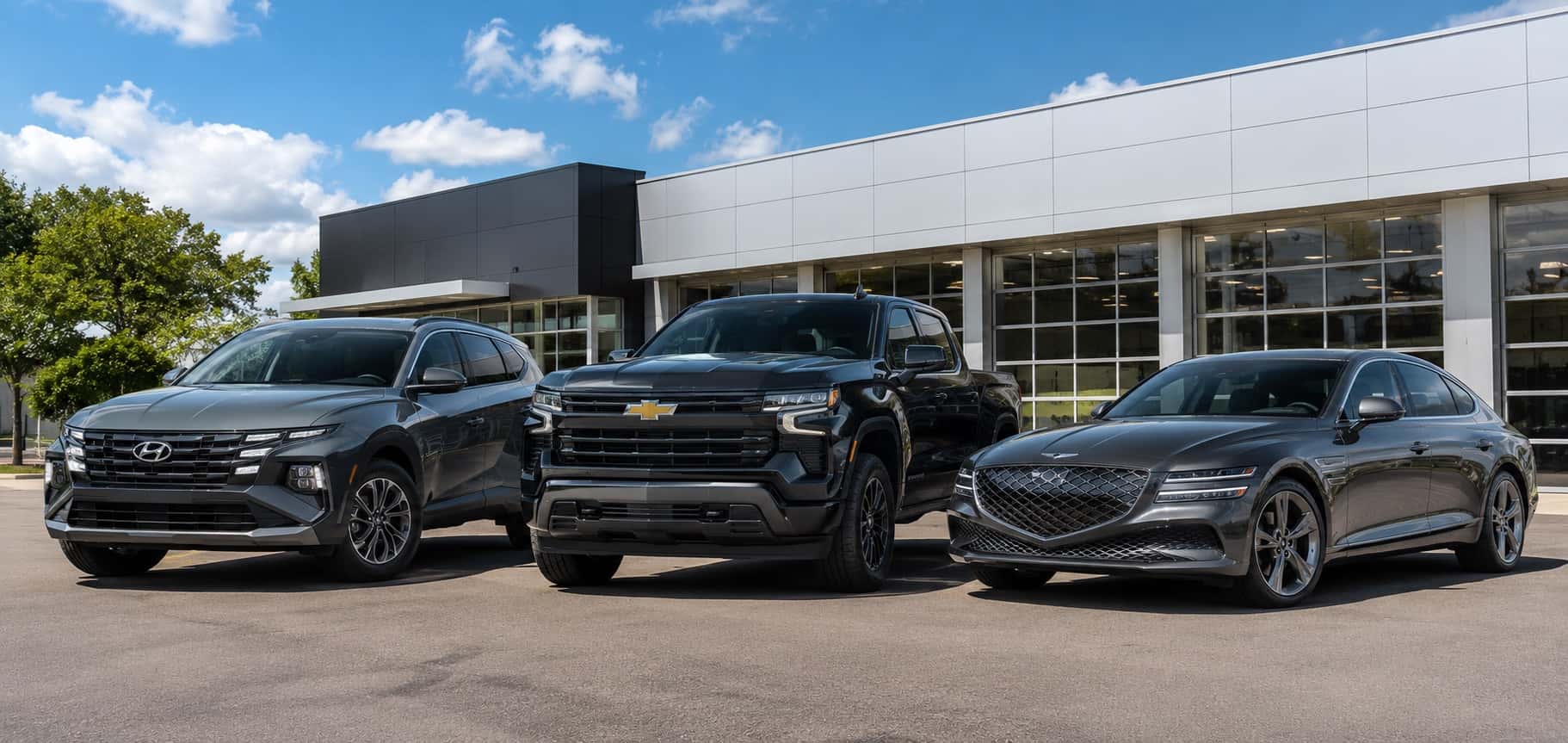
As temperatures start dropping across Chicagoland and Northwest Indiana, a short fall maintenance check can save you from a cold-morning breakdown later this winter. Whether you drive a Hyundai, Chevrolet, or Genesis, the same core systems — battery, tires, fluids, and brakes — need attention before winter sets in. Here’s what the certified service teams across the Webb Auto Group family of dealerships recommend checking this fall.
Why Does Fall Maintenance Matter So Much?
Fall is the last comfortable window to catch small issues before winter cold makes everything harder — and more expensive — to fix. Cold weather is the top cause of dead batteries, and salted roads accelerate wear on brakes and undercarriage components once winter arrives.
How Do You Know If Your Battery Will Survive Winter?
Batteries lose capacity as temperatures drop, so a battery that’s marginal in October can fail outright in a January cold snap. A quick load test at any Webb Auto Group service center can tell you whether your battery has enough reserve capacity for winter.
- Batteries typically last three to five years, but heat and cold both shorten lifespan.
- Corrosion on battery terminals can cause starting problems even with a healthy battery.
- A load test is quick and worth doing before temperatures drop consistently below freezing.
Should You Switch to Winter Tires in the Fall?
All-season tires handle light snow reasonably well, but dedicated winter tires offer meaningfully better grip once temperatures stay below about 45°F. At minimum, check tread depth and tire pressure now, since cold air causes tire pressure to drop.
| Fall Checklist Item | Why It Matters |
|---|---|
| Battery load test | Cold weather is the top cause of dead batteries |
| Tire tread & pressure | Cold air drops tire pressure; tread affects winter traction |
| Fluid levels | Coolant and washer fluid both need winter-ready formulations |
| Brake inspection | Salted roads accelerate wear on brake components |
| Wiper blades | Worn blades struggle with sleet and freezing rain |
Which Fluids Should Be Checked Before Cold Weather?
Coolant needs the correct antifreeze concentration to prevent freezing in extreme cold, and washer fluid should be swapped to a winter-rated formula that won’t freeze on contact with a cold windshield. Oil viscosity can also matter more in cold starts, so confirm your vehicle’s recommended winter-weight oil if you’re not already on a year-round synthetic.
Why Should Brakes Be Inspected Before Winter?
Winter driving means more sudden stops on wet or icy roads, so worn brake pads or rotors become a bigger safety concern once the season changes. A quick inspection now catches wear before it becomes a problem on a slick road.
Do Wiper Blades Really Need Replacing Every Fall?
Wiper blades degrade from summer UV exposure and heat, so many are already worn by the time fall’s sleet and freezing rain arrive. Streaking, skipping, or squeaking are all signs it’s time for a replacement.
Why Do Headlights Matter More in Fall and Winter?
Shorter daylight hours mean more of your commute happens in low light, so cloudy or dim headlights become a real visibility issue. Checking headlight, taillight, and turn signal function takes just a few minutes and matters for both visibility and safety.
What Should You Check in Your Heating System?
A cabin heater and defroster that aren’t working properly aren’t just uncomfortable — they’re a safety issue when they’re needed to clear a foggy or icy windshield. If your heat feels weak or takes too long to warm up, it’s worth having the cooling system checked before it gets colder.
What Belongs in a Winter Emergency Kit?
A basic winter kit — blanket, flashlight, ice scraper, jumper cables, and a phone charger — can make a big difference if you’re ever stuck waiting for help on a cold day.
- Ice scraper and small snow brush.
- Jumper cables or a portable jump-starter.
- Blanket, flashlight, and a phone charger.
- Basic first aid kit and a few non-perishable snacks.
How Do You Schedule Fall Service Across Webb Auto Group?
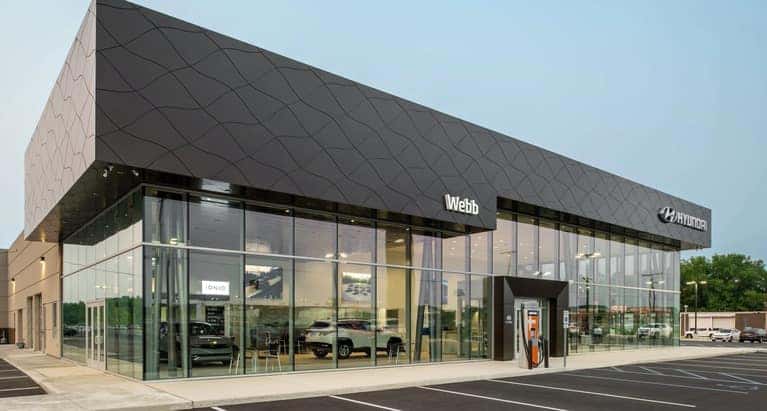
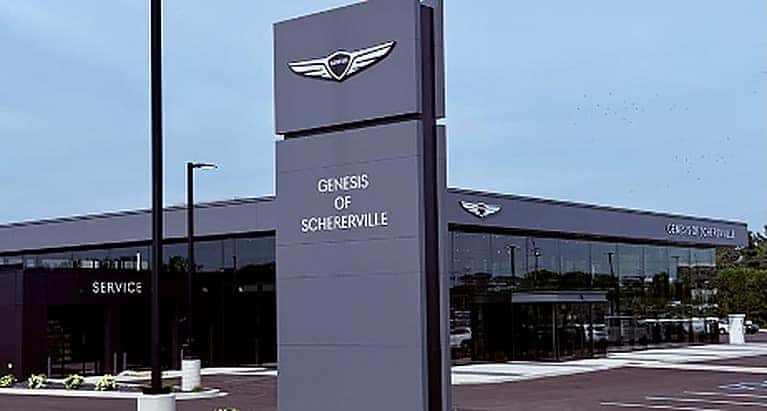
Whichever Webb rooftop is closest to you — Hyundai, Chevrolet, or Genesis — their service teams can run a full fall inspection using manufacturer-specific parts and procedures for your vehicle. Booking online is the fastest way to reserve a time before the fall rush.
How to Run Your Own Quick Fall Check at Home
- Check tire tread depth and pressure on all four tires.
- Look at wiper blades for cracking, streaking, or skipping.
- Test all exterior lights — headlights, taillights, and turn signals.
- Check washer fluid level and top off with a winter-rated formula.
- Book a professional inspection for battery, brakes, and coolant before the first hard freeze.
Key Takeaways
- Cold weather is the leading cause of dead batteries — a load test in fall catches a weak battery before winter.
- Tire pressure drops as temperatures fall, so check it more often once the weather turns.
- Brake components wear faster once salted roads arrive, making a fall inspection worthwhile.
- Wiper blades worn by summer heat often need replacing before fall’s sleet and freezing rain.
- A basic winter emergency kit is inexpensive insurance against a cold-weather breakdown.
- Every Webb Auto Group service center — Hyundai, Chevrolet, or Genesis — can run a full fall inspection.
Frequently Asked Questions
When should I get my car ready for winter?
Early-to-mid fall is ideal, before temperatures consistently drop below freezing, giving you time to address any issues a battery or brake inspection turns up.
Do I need winter tires if I have all-season tires?
All-season tires handle light snow reasonably well, but dedicated winter tires offer noticeably better grip once temperatures stay consistently below about 45°F.
How do I know if my battery will make it through winter?
A load test at a service center measures remaining battery capacity and can flag a battery that’s likely to fail once cold weather sets in.
What should be in a winter emergency car kit?
A basic kit includes an ice scraper, jumper cables, a blanket, a flashlight, and a phone charger.
Can I get fall service at any Webb Auto Group location?
Yes — every Webb rooftop’s service center, whether Hyundai, Chevrolet, or Genesis, can run a full fall inspection using manufacturer-specific parts and procedures.
Ready to get your vehicle winter-ready?
0 comment(s) so far on Fall Vehicle Maintenance Checklist for Chicagoland & Northwest Indiana Drivers