

How to Evaluate a Dealership Before You Visit

Almost everyone researches the vehicle. Almost nobody researches the dealership — and yet the dealership is the part you are stuck with for the next several years of oil changes, recall notices, and warranty questions. The information is all public, too: reviews, response patterns, inventory listings, how quickly someone answers a question. The problem is that most people skim a star rating, decide it looks fine, and stop. This guide covers how to actually read that information, which signals predict a good experience, and which ones are noise dressed up as data.
Why Is a Star Rating Alone a Poor Way to Judge a Dealership?
An average star rating compresses hundreds of very different experiences into a single number, and it tells you nothing about which part of the business those experiences came from. A dealership can have an excellent sales team and an overwhelmed service department, and the blended average will hide both. Volume and recency matter too — a 4.6 built from two thousand reviews across five years means something quite different from a 4.6 built from forty.
- Volume: how many reviews is that average built on?
- Recency: are the recent reviews consistent with the older ones?
- Department: sales and service often perform very differently.
- Distribution: a rating built from mostly 5s and a few 1s reads differently than one clustered at 4.
How Should You Actually Read Dealership Reviews?
Read the three-star reviews first. Five-star reviews are often written in the glow of a new vehicle and one-star reviews are usually written at peak frustration, but three-star reviews tend to be the most specific and the most balanced — they describe what went well and what did not, which is exactly the texture you want. After that, sort by most recent and look for whether the same specific issue keeps recurring.
- Start with three-star reviews — they are usually the most detailed and even-handed.
- Sort by most recent to see current conditions, not historical ones.
- Look for repeated specifics, not repeated adjectives.
- Note whether complaints are about process or about individual people.
- Check multiple platforms rather than relying on a single source.
What Do a Dealership’s Responses to Negative Reviews Tell You?
Often more than the reviews themselves. A dealership that responds to criticism with a specific acknowledgment and a named path to resolution is showing you how it handles problems — which is the thing you actually want to know, because something will eventually go sideways. Generic copy-paste responses, defensiveness, or arguing with the customer are all meaningful signals in the other direction.
- Specific and accountable responses suggest real follow-through.
- Copy-paste responses across every review suggest a box being checked.
- Defensive or argumentative replies tell you how a dispute would go.
- No responses at all may simply mean nobody is monitoring.
What Are the Real Red Flags?
The patterns worth taking seriously are the ones that repeat across many independent reviews and describe process failures rather than personality clashes. One person complaining that a salesperson was abrupt is noise; fifteen people describing the same surprise at the signing table is a system. Pay particular attention to anything involving pricing not matching what was quoted, or difficulty reaching anyone after the sale.
- Repeated reports of a final figure differing from what was quoted.
- Multiple reports of difficulty reaching anyone after the purchase.
- Consistent complaints about service scheduling or repeat visits for the same issue.
- Advertised vehicles that are never actually available on arrival.
- A sudden cluster of very short, very positive reviews in a short window.
What Are the Signals That Predict a Good Experience?
The strongest positive signal is specificity — reviews that name what happened, in what order, and how long it took. Long-tenure staff mentioned by name across multiple years is another, because staff turnover is one of the better proxies for how a business is run internally. Reviews from people describing their third or fourth purchase from the same store carry more weight than a first-time five-star.
- Specific, detailed reviews rather than generic praise.
- The same staff names appearing across several years of reviews.
- Repeat customers describing multiple purchases or long service relationships.
- Consistent service reviews, not just sales reviews.
- Evidence the dealership fixed something after it went wrong.
Why Should You Read the Service Reviews Separately?
Because you will interact with the service department far more often than with the sales department — realistically, several times a year for as long as you own the vehicle. Many review platforms let you filter by department or at least sort by keyword, and it is worth the extra two minutes. A great buying experience attached to a service department you cannot get an appointment with is a bad trade.
How Can You Test a Dealership Before You Ever Visit?
Send a specific question and see what comes back. Ask whether a particular vehicle is physically on the lot, or how far out service appointments are booking — something concrete with a verifiable answer. How quickly they respond, whether they answer the actual question, and whether the answer turns out to be accurate is a remarkably good preview of the whole relationship.
- Ask a specific, checkable question by phone, email, or chat.
- Note the response time and whether they answered what you asked.
- Verify the answer when you arrive — accuracy matters more than speed.
- Ask about service scheduling lead time; it is rarely volunteered.
What Does the Website Tell You About How They Operate?
A website with accurate, current, well-photographed inventory reflects a dealership that keeps its systems current — and that discipline usually extends to other things. Listings with stock photos instead of actual vehicles, missing VINs, or vehicles that turn out to have sold weeks ago suggest the opposite. It is a small proxy, but it is a real one and it costs you nothing to check.
- Real photos of the actual vehicle rather than manufacturer stock images.
- VINs listed so you can verify the specific unit.
- Current availability that matches what you are told on the phone.
- Clear, findable hours, directions, and department contacts.
Does It Matter Whether a Dealership Belongs to a Group?
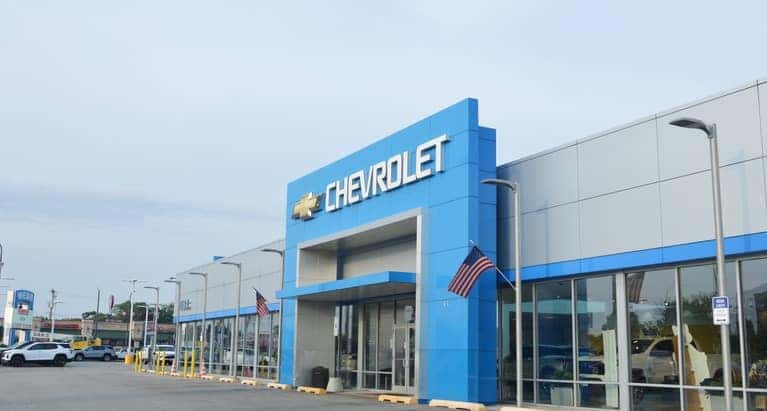
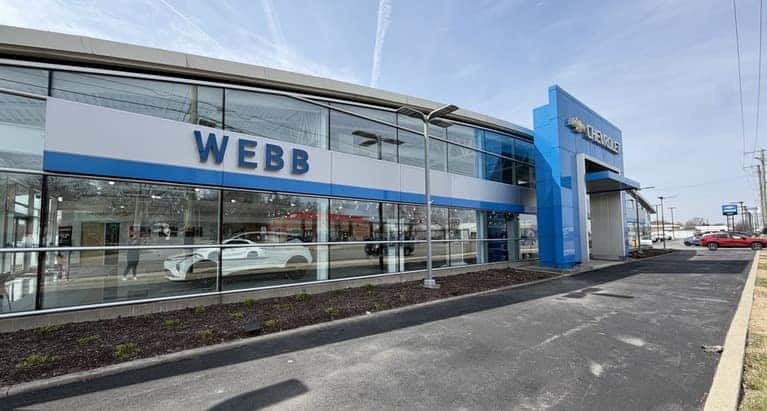
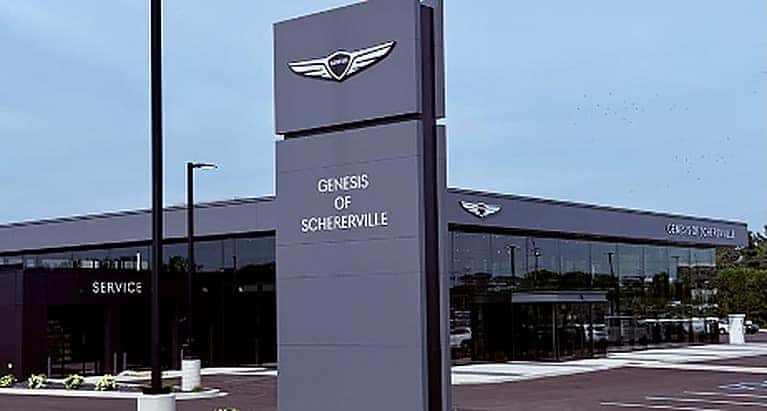
It can, in practical ways. A dealership that is part of a group often gives you access to inventory across multiple locations and brands, shared service capacity, and consistent processes between stores. Webb Auto Group, for example, spans Chevrolet, Hyundai, and Genesis rooftops across Chicagoland and Northwest Indiana, which means a shopper who is genuinely undecided between brands can compare without starting over with a new set of people. Group membership is not automatically better — it simply changes what options are on the table.
- Access to inventory across multiple stores and brands.
- More flexibility if you are still deciding between brands.
- Consistent processes and records between locations.
- Still evaluate the individual store — group membership does not guarantee anything.
How Should You Weigh All of This Against Distance?
Distance is the easiest variable to measure, which is exactly why it gets over-weighted. A dealership fifteen minutes farther away that answers the phone, books service within the week, and quotes accurately will cost you less time over five years than a closer one that does none of those things. Weight service capacity and communication first, then let distance break ties.
Quick Overview: What to Check Before You Choose a Dealership
| What to Check | Good Sign | Warning Sign |
|---|---|---|
| Review detail | Specific, named, sequential | Generic one-line praise |
| Owner responses | Specific and accountable | Copy-paste or defensive |
| Service reviews | Consistent with sales reviews | Much worse than sales reviews |
| Staff names | Same names across years | Constant turnover |
| Inventory listings | Real photos, VINs, accurate | Stock photos, sold units listed |
| Response test | Fast, answers the question | Slow, deflects to “come in” |
How to Evaluate a Dealership Before You Visit
- Read the three-star reviews first — they are usually the most specific and balanced.
- Sort reviews by most recent to see how the store operates now.
- Filter for service reviews separately from sales reviews.
- Read the owner responses to negative reviews and note the tone.
- Check the inventory listings for real photos, VINs, and current availability.
- Send one specific question and time the response — then verify the answer.
- Ask how far out service is booking before you decide where to buy.
Key Takeaways
- An average star rating hides the difference between sales and service performance — read them separately.
- Three-star reviews are usually the most specific and useful; sort everything by most recent.
- How a dealership responds to criticism previews how it will handle your problem.
- Real red flags repeat across many independent reviews and describe process failures, not personalities.
- Specific reviews, long-tenure staff, and repeat customers are the strongest positive signals.
- Sending one concrete question before visiting is the cheapest and most predictive test available.
- Service capacity and communication should outweigh a few extra minutes of drive time.
Frequently Asked Questions
What is the best way to research a car dealership before visiting?
Read recent reviews sorted by date, start with the three-star reviews for balanced detail, read service reviews separately from sales reviews, and check how the dealership responds to criticism. Then send one specific, checkable question and see how quickly and accurately it is answered.
Are dealership star ratings reliable?
Only as a starting point. An average compresses very different experiences into one number and hides the difference between departments. Look at how many reviews the average is built on, how recent they are, and whether service and sales reviews tell the same story.
What are the biggest warning signs in dealership reviews?
Repeated reports that the final figure differed from what was quoted, difficulty reaching anyone after the sale, recurring service visits for the same unresolved issue, and advertised vehicles that are never actually available. Look for patterns across many independent reviews rather than reacting to any single one.
Should I read service reviews separately from sales reviews?
Yes, and it may be the single most useful step. You will interact with the service department many more times than with sales over the life of the vehicle, and the two departments frequently perform very differently at the same store.
Does buying from a dealership group make a difference?
It can change your options. A group often provides access to inventory across several locations and brands and more consistent processes between stores, which helps if you are still deciding between brands. It does not guarantee a good experience on its own, so evaluate the individual store as well.
Do the research on us too — then come see whether it holds up.


0 comment(s) so far on How to Evaluate a Dealership Before You Visit