

The Ultimate Guide to EV Charging: Comparing Home Charging vs Public Stations for EV Owners
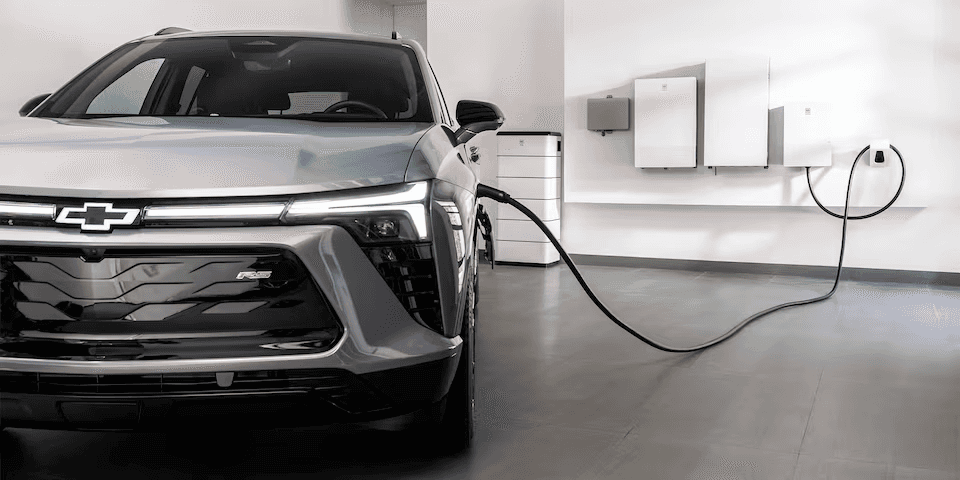
Charging an electric vehicle (EV) means topping up its battery with electricity. Deciding whether to rely on home charging, public stations, or a mix of both affects your costs, daily convenience, and long‑term battery health. This guide breaks down charging levels, shows simple cost comparisons, explains how public networks work in Chicago and Northwest Indiana, and gives an easy framework to match charging choices to your routine. If you’re wondering whether a home Level 2 charger is worth the investment versus using public fast chargers for trips, you’ll find practical definitions, sample math, installation pointers, and local network context here. Use these insights to compare vehicles at Webb Auto Group and decide whether to install a charger at home, rely on public access, or combine both approaches.
What Are the Different EV Charging Levels and How Do They Compare?

Charging “levels” describe how much power a charger supplies, how fast it adds range, and the situations each is best for. Level 1 uses a regular 120V outlet and adds a few miles per hour — fine for low‑mileage drivers who park overnight. Level 2 runs on 240V and typically adds several dozen miles per hour, making it the usual choice for home installs and workplace chargers. DC fast charging provides high‑power direct current for quick top‑ups on long trips, but relying on it daily can increase battery wear over time.
What Is Level 1, Level 2, and DC Fast Charging?
Level 1 uses a standard 120V household outlet and is the slowest option, usually adding about 2–5 miles of range per hour depending on the vehicle — best for short commutes or overnight top‑ups. Level 2 runs on a 240V circuit and typically delivers roughly 10–60 miles of range per hour, which covers most daily needs at home or work. DC fast charging converts AC to high‑power DC at public stations and can add a large amount of range in 20–40 minutes, ideal for highway stops and long trips.
How Do Charging Speeds and Use Cases Differ Across Charging Levels?
Speed largely dictates use: Level 1 for slow overnight fills, Level 2 for regular daily recharges, and DC fast charging for quick long‑distance fills. If you drive 30–50 miles a day, a home Level 2 charger will usually cover you with low cost and little hassle. In cities without private parking, drivers often rely on workplace Level 2 chargers and public DCFC for longer trips. Road‑trippers plan DCFC stops to restore about 60–80% battery quickly, trading higher session costs for reduced travel time.
|
Charging Level
|
Typical Power
|
Best Use Case
|
|---|---|---|
|
Level 1
|
~1–2 kW
|
Overnight charging for low daily mileage
|
|
Level 2
|
~3.3–11 kW (typical home/work)
|
Daily charging and workplace top‑ups
|
|
DC Fast Charging (DCFC)
|
50–350+ kW
|
Rapid highway charging for long trips
|
That’s why most owners install Level 2 for everyday use and save DCFC for travel or emergencies.
Is Home EV Charging Cheaper and More Convenient Than Public Charging?
For routine charging, home is usually cheaper per kWh and far more convenient. Utilities tend to offer lower residential rates, while public chargers often add higher per‑kWh or per‑minute fees and session charges that raise the cost per mile. Home charging also removes the need to detour or wait — your car charges while you sleep. Upfront installation and electrical work can reduce early savings, but many owners recoup those costs over time through lower operating expenses.
What Are the Typical Costs of Charging an EV at Home vs Public Stations?
As a quick example, take a 60 kWh battery. Charging at a representative residential rate usually costs significantly less per full charge than using a public DC fast charger, which often carries higher per‑kWh pricing and session fees. Home cost‑per‑mile generally sits well below DCFC once you factor in utility rates and overnight charging. In Chicago and Northwest Indiana, check utility time‑of‑use plans and local incentives to shift charging to cheaper hours and increase savings.
|
Scenario
|
Cost Metric
|
Example Value
|
|---|---|---|
|
Home charging
|
Cents per kWh (residential)
|
Lower average residential rate (~13–15¢/kWh typical)
|
|
Public Level 2
|
Cents per kWh / per minute
|
Moderate, varies by network (often 20–40¢/kWh or per‑minute fees)
|
|
DC Fast Charging
|
Per kWh / session fees
|
Highest cost‑per‑mile for rapid top‑ups (can exceed 30–50¢/kWh plus fees)
|
What Installation Considerations Affect Home EV Charger Costs?
Level 2 installation costs depend on the charger you choose and the electrical work required: unit price, electrician labor, permits, and any panel upgrades. If your home already has a 240V circuit, installation can be straightforward. If you need a new circuit or panel work, expect higher costs and a longer timeline. Get multiple electrician quotes and check for state or utility rebates that can lower upfront expense. Webb Auto Group’s service team can also offer vehicle‑specific guidance and local installer referrals to help you plan.
How Do Public EV Charging Stations Work and What Are Their Benefits?
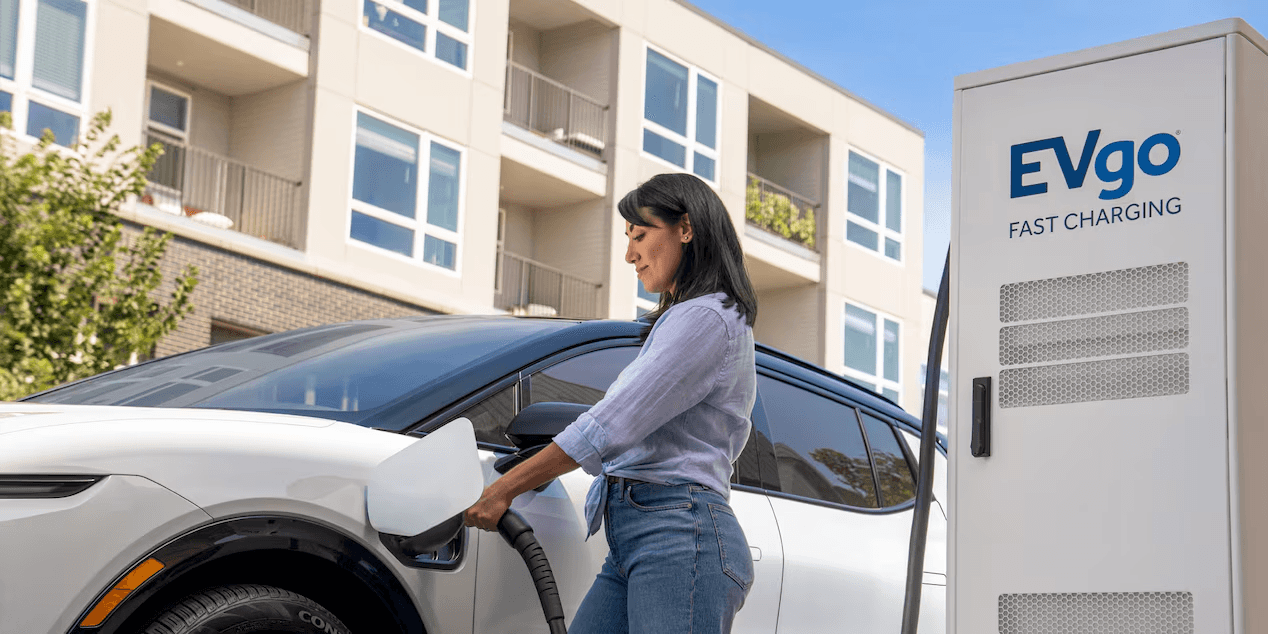
Public chargers are run by network operators and use apps or cards for payment, authentication, and live availability. They give drivers range confidence and the ability to top up quickly on trips. Networks offer different pricing models — per‑kWh, per‑minute, or subscription plans — and place chargers at retail locations, highways, and other convenient stops. Because reliability, connector types, and prices vary, it’s smart to check apps or navigation before you go.
Which Public Charging Networks Are Available in Chicago and Northwest Indiana?
- Major national networks in the area include ChargePoint, EVgo, Electrify America, and Blink, with varying station density.
- Always confirm connector compatibility for your vehicle (CCS, J1772, and NACS as applicable).
- Some networks offer subscription options that reduce per‑session costs for frequent users.
Use dealership resources and charging apps together for dependable route planning and backup options.
What Are the Common Challenges of Using Public EV Chargers?
How Can EV Owners Choose the Best Charging Strategy for Their Lifestyle?
Start by listing your commute length, whether you have private parking, how often you take long trips, and how you feel about upfront installation costs. If you drive daily and can charge at home, prioritize a Level 2 install. If you don’t have home access or you travel a lot, mix workplace Level 2 with public DCFC to balance cost and speed. For battery health, favor Level 2 for routine charging and save DC fast charging for trips and urgent needs.
When Should You Use Home Charging vs Public Charging?
Use home charging for most day‑to‑day needs when overnight parking is available. Use public Level 2 at work or shopping for mid‑day top‑ups. Reserve DC fast charging for long drives or urgent range recovery. Example profiles: a 40‑mile‑a‑day commuter benefits from home Level 2; an apartment resident relies on workplace or public Level 2; a frequent traveler plans DCFC stops along highways. For model‑specific advice — whether you’re looking at a Blazer EV, IONIQ 5, Model 3, or another EV listed by Webb Auto Group — contact our team for purchase, financing, or service help so your charging plan matches the vehicle you choose.
How Does Charging Impact EV Battery Health and Longevity?
Best practices checklist:
- Charge routinely with Level 2 at home when possible.
- Limit DC fast charging to trips and emergencies.
- Avoid prolonged 100% state of charge unless you need the full range for a trip.
These simple habits help you balance convenience, cost, and battery health over the life of your EV.
Frequently Asked Questions
What factors should I consider when choosing between home and public charging?
Think about your daily miles, whether you have private parking, and how often you take long trips. Compare the upfront cost of installing a home charger to the recurring fees of public charging. If you drive mostly locally, a home charger plus occasional public charging for trips usually works best.
How can I find the nearest public charging stations?
Use apps like PlugShare, ChargePoint, or the EVgo app for real‑time station availability, charger types, and pricing. Many EV navigation systems also show nearby chargers, which makes planning stops on long trips easier.
Are there any incentives for installing a home EV charger?
Yes — many states and utilities offer rebates, tax credits, or special rates for EV charging that can lower installation costs. Check with your local utility and state energy office for programs in your area. Manufacturers sometimes run promotions on chargers when you buy an EV, too.
What should I do if a public charging station is out of service?
First, check the network’s app or website for status updates. Then find nearby alternatives using the same app or your EV’s navigation. Having backup stations mapped along your route helps avoid being left without options.
How does charging frequency affect my EV’s battery life?
Regularly using DC fast charging can increase battery wear compared with Level 2 charging. To extend battery life, keep routine charges at moderate levels, avoid staying at 100% SOC, and reserve fast charging for when you really need it.
What are the environmental benefits of using home EV charging?
Charging at home can lower emissions, especially if you pair charging with solar or charge during off‑peak hours when the grid is cleaner. Home charging also reduces reliance on additional public infrastructure, which has its own construction and maintenance impacts.
Conclusion
Picking the right charging approach makes EV ownership simpler and cheaper and helps protect your battery. Understanding Level 1, Level 2, and DC fast charging, comparing home versus public costs, and planning around local networks will let you choose the best setup for your life. For personalized help with chargers, vehicle choices, or installer referrals, get in touch with our team at Webb Auto Group. We’ll help you match the right charging strategy to the EV you choose.


0 comment(s) so far on The Ultimate Guide to EV Charging: Comparing Home Charging vs Public Stations for EV Owners