

Vehicle Service Contracts Explained: What They Cover and How to Evaluate One
Vehicle Service Contracts Explained: What They Cover and How to Evaluate One
Few topics in vehicle ownership generate more confusion than the vehicle service contract. The terminology is inconsistent, the products vary enormously in quality, and the sales context tends to be a moment when you are already making a large financial decision and are not inclined to read carefully.
The underlying idea is not complicated. A vehicle service contract is a plan that pays for specified mechanical repairs after your factory warranty ends. Whether that is worth buying depends on your vehicle, how long you plan to keep it, how you handle unexpected expenses, and above all on the specific terms of the specific contract in front of you.
This guide explains what these contracts actually are, how they differ from a factory warranty, what they typically exclude, and which questions separate a useful plan from a poor one. It is general information rather than advice about any particular product, and any contract should be evaluated on its own written terms.
What is a vehicle service contract?
It is an agreement that covers the cost of specified mechanical repairs for a defined term, typically beginning where your factory warranty coverage ends.
A vehicle service contract is a separate purchase from the vehicle itself. It defines a list of covered components, a term measured in years and miles, a deductible, and a set of conditions you must meet to keep it valid.
The word “warranty” is often used loosely in conversation, but a factory warranty comes with the vehicle at no separate charge, while a service contract is a product you buy. That distinction matters legally and practically, because the two are governed differently.
How is this different from my factory warranty?
A factory warranty is included with a new vehicle, provided by the manufacturer, and covers defects in materials and workmanship. A service contract is purchased separately and covers mechanical failure for a defined term.
The practical differences:
- Cost: factory warranty is included; a service contract is purchased
- Provider: manufacturer versus a contract administrator
- Trigger: defects in materials or workmanship versus mechanical failure as defined in the contract
- Where honored: factory warranties are honored at any franchised dealer for that brand; contracts vary in where they can be used
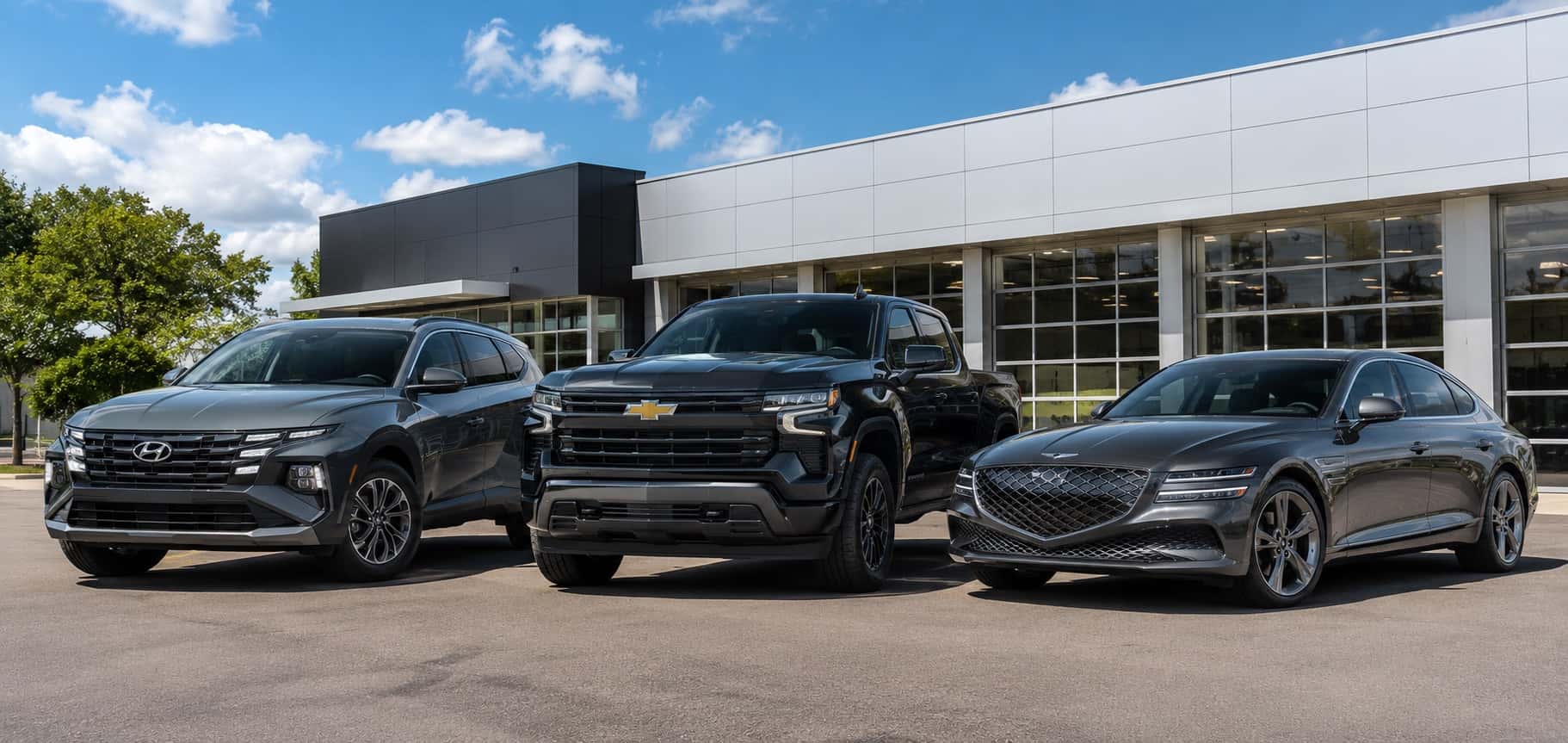
Because Webb Auto Group represents multiple brands, factory coverage differs across the vehicles on our lots. Chevrolet, Hyundai and Genesis each publish their own warranty terms, and those terms are the starting point for deciding whether additional coverage makes sense.
What do these contracts typically cover?
Coverage ranges from powertrain-only plans covering the engine, transmission and drive axles, up to comprehensive plans covering most mechanical and electrical systems.
Coverage generally falls along a spectrum:
- Powertrain: engine, transmission, drive axles. The narrowest and least expensive tier, covering the most expensive failures.
- Mid-tier: powertrain plus steering, braking components, air conditioning and some electrical systems.
- Comprehensive: most mechanical and electrical systems, defined either by a long inclusion list or by a short exclusion list.
The inclusion-versus-exclusion distinction is worth understanding. An inclusionary contract covers only what it names, so anything omitted is not covered. An exclusionary contract covers everything except what it names, which is generally broader and easier to evaluate. If you can only ask one structural question, ask which type you are looking at.
What is usually excluded?
Routine maintenance, wear items, cosmetic damage, damage from accidents or neglect, and pre-existing conditions are standard exclusions across essentially all contracts.
These exclusions are consistent enough that they should be assumed rather than checked for.
- Routine maintenance: oil changes, filters, fluids, inspections
- Wear items: brake pads, tires, wiper blades, belts and hoses
- Cosmetic: paint, upholstery, trim, glass
- Accident and environmental damage: collision, flood, hail, road debris
- Neglect: failures traced to skipped required maintenance
- Pre-existing conditions: problems present before coverage began
The neglect exclusion is the one that most often creates disputes. Most contracts require documented maintenance according to the manufacturer’s schedule, and a claim can be denied if that documentation does not exist.
Which questions should I ask before buying?
Ask whether it is inclusionary or exclusionary, who administers it, where repairs can be performed, what the deductible is, and whether it is transferable or cancellable.
These questions separate a strong contract from a weak one faster than comparing prices does.
- Inclusionary or exclusionary? Exclusionary is generally broader.
- Who administers and backs it? The administrator pays claims, and their reputation is the product.
- Where can repairs be performed? Any franchised dealer, a network, or one location only.
- What is the deductible, and is it per visit or per repair? Per-visit is better when one visit addresses several items.
- Is it transferable? Transferability adds resale value.
- Is it cancellable, and how is a refund prorated? Relevant if you sell early.
- Does it pay the repair facility directly, or do you pay and seek reimbursement?
- What maintenance documentation is required to keep it valid?
How do I decide whether one is worth buying?
Weigh the contract cost against the realistic repair exposure for your specific vehicle over the years you plan to keep it, and consider how you would handle an unexpected repair bill.
There is no universal answer, and anyone offering one is not being straight with you. The variables that actually matter:
- How long you will keep the vehicle. Coverage you sell out of has limited value unless it is transferable.
- The vehicle’s repair profile. Some models and powertrains are more complex and more expensive to repair than others.
- Your tolerance for a surprise bill. Someone who would struggle with a sudden four-figure repair values predictability differently than someone who would not.
- Remaining factory coverage. Overlapping coverage you already have is money spent twice.
This is a financial decision, not just a mechanical one, and we are not financial advisors. The information here is meant to help you evaluate a contract on its own terms and decide for yourself.
How does routine maintenance affect my coverage?
Substantially. Most contracts require maintenance performed on the manufacturer’s schedule and documented, and a missing record can be grounds for denying a claim.
Coverage and maintenance are linked in a way that catches owners off guard. A service contract covers unexpected mechanical failure, not the predictable consequences of skipped maintenance, and the administrator decides which category a failure falls into based on your records.
Practical protection:
- Follow the maintenance schedule in your owner’s manual, including severe-duty intervals if they apply
- Keep every invoice, with date, mileage and specific services listed
- Have work performed where it will be documented against your VIN
Servicing at a Webb Auto Group service center means the work is logged to your vehicle, so the history exists whether or not the paperwork survives your glovebox.
Where can I have covered repairs performed?
It depends entirely on the contract. Some allow any franchised dealer, some restrict you to a network, and some require returning to the selling dealership.
This term deserves more attention than it usually receives, because it determines how useful the contract is in practice. A plan that requires returning to one specific location is considerably less valuable if you move, travel, or simply find that location inconvenient.
Ask specifically what happens if a covered failure occurs out of state. A good contract has a clear answer involving prior authorization and direct payment to the repairing facility.
Across our Chevrolet, Hyundai and Genesis service centers, the technicians are trained on the brands they service and work with manufacturer-specified parts, which matters for both repair quality and claim documentation.
What are the warning signs of a contract worth avoiding?
High-pressure sales tactics, refusal to provide the full contract in writing before purchase, vague coverage language, and unsolicited mail or calls claiming your warranty is expiring.
The service contract space includes reputable products and disreputable ones, and the signals are reasonably consistent.
- Will not provide the complete contract to read before you buy. This alone should end the conversation.
- Urgency and pressure. A legitimate product survives you taking it home to read.
- Vague coverage language without a specific inclusion or exclusion list.
- Unsolicited contact claiming your factory warranty is about to expire, often with no actual knowledge of your vehicle.
- No verifiable administrator or no way to check their claims-paying record.
You are entitled to read any contract in full before signing it. Take it home. Nothing about a legitimate offer depends on you deciding immediately.
Coverage Tiers at a Glance
| Coverage Type | What It Generally Includes |
|---|---|
| Powertrain | Engine, transmission, drive axles; narrowest tier, largest individual repairs |
| Mid-tier | Powertrain plus steering, brakes, air conditioning, some electrical |
| Comprehensive | Most mechanical and electrical systems, often defined by exclusions |
| Inclusionary structure | Covers only the components specifically named |
| Exclusionary structure | Covers everything except what is specifically named; generally broader |
| Always excluded | Routine maintenance, wear items, cosmetic damage, accidents, neglect |
| Documentation required | Maintenance per the manufacturer’s schedule, with records |
How to Evaluate a Vehicle Service Contract
- Confirm what factory warranty coverage remains on your vehicle, in both years and miles.
- Ask for the complete contract in writing and take the time to read it before deciding.
- Determine whether the coverage is inclusionary or exclusionary.
- Identify the administrator and look into their claims-paying record.
- Check the deductible amount and whether it applies per visit or per repair.
- Confirm where repairs can be performed, including what happens if you are out of state.
- Verify whether the contract is transferable and how cancellation and refunds work.
- Compare the total cost against realistic repair exposure over the years you plan to keep the vehicle.
Key Takeaways
- A vehicle service contract is a purchased product, distinct from the factory warranty included with a new vehicle.
- Coverage spans powertrain-only through comprehensive, and the structure matters as much as the tier.
- Exclusionary contracts cover everything not specifically named and are generally broader than inclusionary ones.
- Routine maintenance, wear items, cosmetic damage and neglect are excluded in essentially all contracts.
- Documented maintenance on the manufacturer’s schedule is usually required to keep coverage valid.
- Where repairs can be performed determines how useful the contract actually is day to day.
- You are entitled to read the full contract before signing; pressure to decide immediately is a warning sign.
Frequently Asked Questions
What is the difference between a vehicle service contract and an extended warranty?
The terms are often used interchangeably in conversation, but a warranty is included with a vehicle at no separate cost and provided by the manufacturer, while a vehicle service contract is a separate product you purchase. The distinction matters because the two are governed and administered differently.
Does a vehicle service contract cover oil changes and brakes?
Generally no. Routine maintenance such as oil changes, filters and fluids, along with wear items such as brake pads, tires and wiper blades, are excluded from essentially all vehicle service contracts. These contracts are designed to cover unexpected mechanical failure rather than predictable upkeep.
Can a service contract claim be denied for missing maintenance records?
Yes, and this is one of the most common reasons claims are disputed. Most contracts require maintenance performed according to the manufacturer’s schedule and documented with date, mileage and services performed. Having work logged against your VIN at a dealership service center provides that record automatically.
Are vehicle service contracts transferable if I sell my vehicle?
Some are and some are not, and it is worth confirming before purchase. A transferable contract can add value at resale because it passes to the next owner. Cancellation terms matter for the same reason, since a prorated refund may be available if you sell before the term ends.
Should I buy a service contract from a dealership or a third party?
Both exist, and the important variables are the same either way: who administers the contract, whether it is inclusionary or exclusionary, where repairs can be performed, and whether you can read the full terms before buying. Be cautious with unsolicited calls or mail claiming your factory warranty is expiring.
Questions about coverage on your vehicle?
The teams across Webb Auto Group’s Chevrolet, Hyundai and Genesis service centers can help you understand what factory coverage remains and what your maintenance records show.


0 comment(s) so far on Vehicle Service Contracts Explained: What They Cover and How to Evaluate One