

What to Do Before Your Car Warranty Expires: A Checklist for Chicagoland and Northwest Indiana Drivers
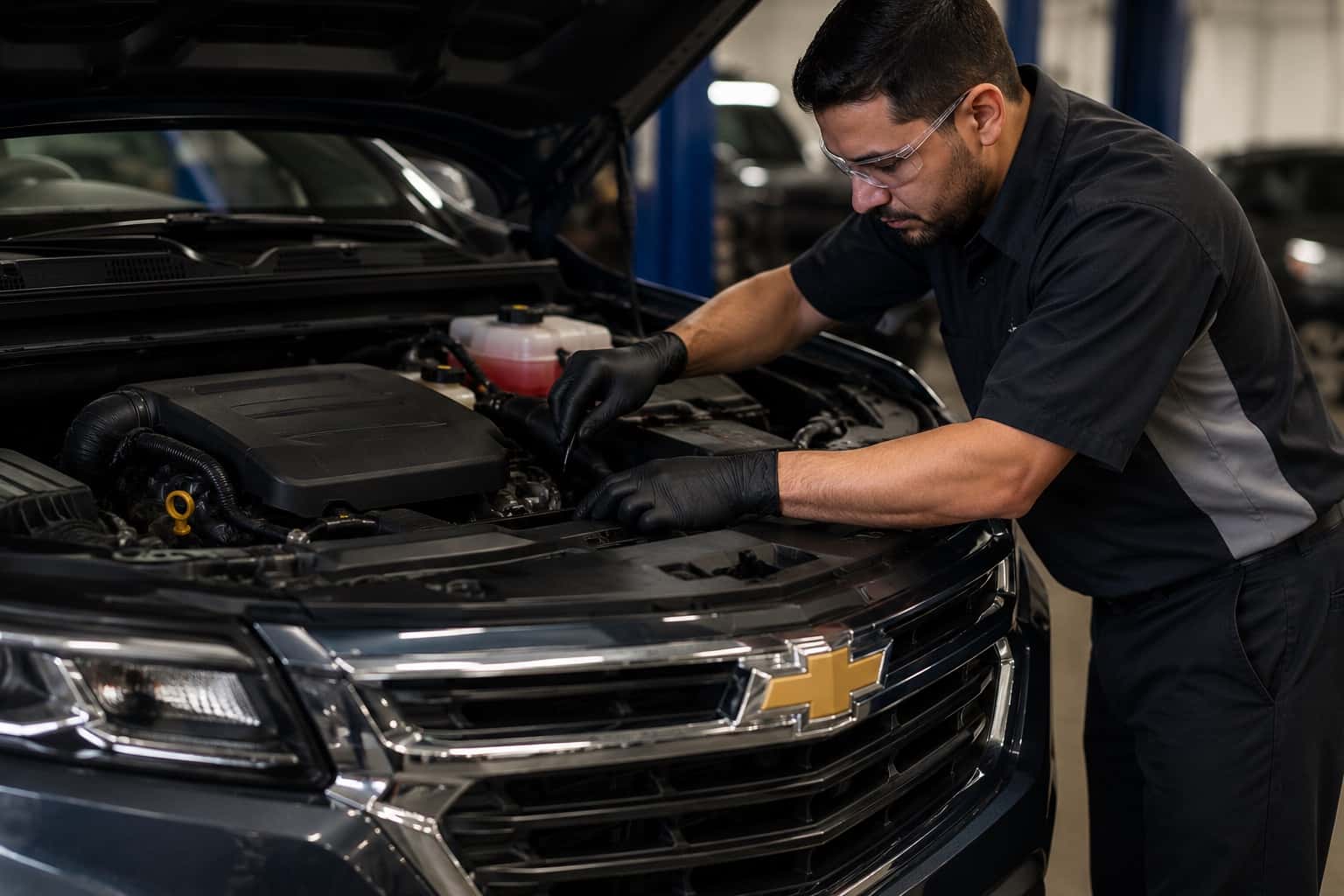
If you’re driving a Hyundai, Chevrolet, or Genesis around Chicagoland or Northwest Indiana, there’s a date on your paperwork that matters more than most people realize: the day your factory warranty coverage ends. Once that date passes, any repair that would have been covered becomes an out-of-pocket expense, and small issues that seemed minor can turn into bigger jobs if they go unaddressed. The good news is that a warranty expiration date isn’t a surprise — it’s on your paperwork, in your owner’s portal, and in your vehicle’s service history, which means you have time to plan ahead. This guide walks through how to track your coverage, what a thorough pre-expiration inspection should include, and why it makes sense to get anything borderline checked out while the manufacturer is still footing the bill. It applies whether your vehicle came from a Hyundai, Chevrolet, or Genesis showroom, and the Webb Auto Group network is set up to help with all three.
How Do You Know When Your Vehicle’s Factory Warranty Is About to Expire?
Your warranty expiration is based on whichever comes first: a calendar date or a mileage limit, both of which are listed in your original warranty booklet and in your manufacturer’s online owner account. Because terms vary by manufacturer and by vehicle, you should always check your specific warranty documentation rather than relying on general assumptions. Most drivers get closer to the mileage limit than the calendar limit if they commute long distances, so it’s worth checking your odometer against your paperwork a few times a year rather than waiting for a reminder letter.
- Look up your coverage using your VIN (Vehicle Identification Number, the unique 17-character code that identifies your specific vehicle) through the manufacturer’s owner website.
- Check your glovebox warranty booklet for the exact bumper-to-bumper and powertrain terms that apply to your vehicle.
- Ask your service advisor to pull up your current mileage and coverage status during any routine visit.
- Set a calendar reminder for 60–90 days before your estimated expiration so there’s time to schedule an inspection.
What Records Do You Need Before Your Warranty Runs Out?
Before your coverage ends, gather your maintenance history, any open recall notices, and a list of anything that’s felt slightly “off” — even small noises or minor dashboard warnings. Having this information in one place makes it much easier for a technician to diagnose borderline issues quickly during a pre-expiration inspection. It also protects you if a warranty claim is ever questioned, since a documented maintenance history shows the vehicle was properly cared for.
- Pull together receipts or digital service records from every oil change, tire rotation, and repair.
- Check for open recalls or TSBs (Technical Service Bulletins, which are manufacturer notices about known issues and recommended fixes) tied to your VIN.
- Write down any symptoms you’ve noticed, even minor ones like a faint rattle, a slow leak, or a dashboard light that came on briefly.
What Should a Pre-Expiration Inspection Actually Cover?
A thorough end-of-warranty inspection should go well beyond a standard oil change and look at every major system that’s expensive to repair out of pocket: the engine, transmission, electrical systems, and suspension. The goal is to catch anything that’s borderline — not yet a full failure, but showing early signs of wear — while it can still be documented and addressed under coverage. Because warranty terms and covered components vary by manufacturer, ask your service advisor to confirm exactly what’s still eligible for your specific vehicle before the visit.
- A full diagnostic scan for stored or pending trouble codes, not just an active CEL (Check Engine Light).
- A visual and functional check of fluid levels, seals, and hoses for early leaks.
- A test of major electrical components, sensors, and control modules.
- A physical inspection of suspension components, bushings, and steering linkage.
Why Does the Engine Need a Closer Look Before Coverage Ends?
The engine is typically the most expensive component to repair once a warranty lapses, which makes it the first thing worth having thoroughly inspected. A technician should check for early signs of oil consumption, unusual noises, and any stored diagnostic codes that haven’t triggered a dashboard warning yet. Catching a developing issue now, while it’s still covered, can prevent a much larger repair bill later.
- Oil consumption and oil quality checks, including any signs of contamination.
- Cooling system pressure tests to catch small leaks before they become overheating issues.
- A listen-and-inspect check for unusual noises during idle, acceleration, and deceleration.
- A full scan for stored diagnostic codes, since some issues don’t trigger a visible dashboard warning right away.
How Does a Transmission Inspection Protect You After Warranty Expires?
Transmission repairs and replacements are consistently among the costliest repairs a driver can face, so a pre-expiration inspection should include a careful check of shift quality, fluid condition, and any hesitation during acceleration. Because transmission problems can develop gradually, a driver may not notice small changes in shift feel until they’ve become more serious. A technician can catch subtle warning signs that are easy to miss during normal daily driving.
- Fluid condition and level checks, since discolored or low fluid can signal developing wear.
- A road test to evaluate shift timing, smoothness, and any hesitation or hard shifts.
- A check for unusual noises or vibration during gear changes.
- A scan for stored transmission-related diagnostic codes.
What Electrical System Issues Are Easy to Miss Until It’s Too Late?
Modern vehicles rely on dozens of interconnected electrical systems and control modules, and a failing sensor or wiring issue can be intermittent enough to go unnoticed for weeks. A pre-expiration inspection should include a full electrical systems check, not just a battery test, since many of today’s most expensive repairs involve sensors, modules, and connected safety systems. This is especially important on newer vehicles with advanced driver-assist features, since those systems depend on sensors staying properly calibrated.
- Battery health and charging system performance.
- A check of driver-assist sensors, cameras, and radar components for proper calibration.
- A test of power windows, locks, and infotainment functions for intermittent glitches.
- A scan of the ABS (Anti-lock Braking System) and related safety modules for stored fault codes.
Why Does Suspension Health Matter Before Your Warranty Expires?
Suspension components wear gradually, so a slightly worn bushing or strut doesn’t usually cause an obvious symptom until it’s much further along — by which point it may no longer be covered. A pre-expiration inspection should include a hands-on check of struts, shocks, bushings, and steering linkage, since these are the parts most likely to be “borderline” rather than fully failed. Addressing early wear now can also improve ride comfort and handling in the meantime.
- A physical inspection of struts and shocks for leaks or reduced damping.
- A check of bushings and control arms for excess play or cracking.
- A steering linkage and alignment check to catch uneven tire wear early.
- A test drive over varied road surfaces to identify noises or handling changes.
Does It Matter Whether Your Vehicle Is a Hyundai, Chevrolet, or Genesis?
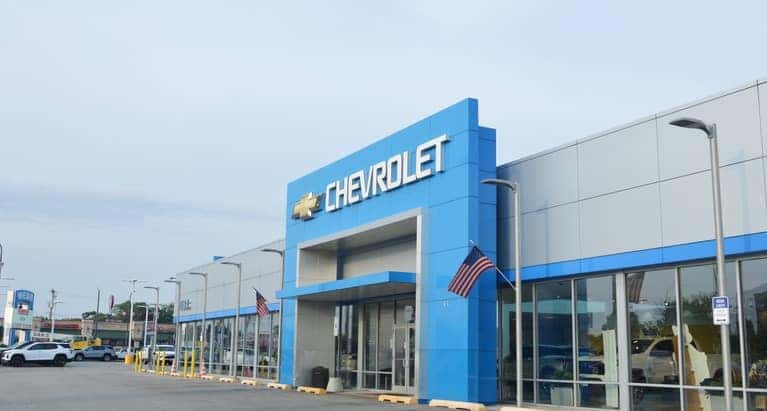
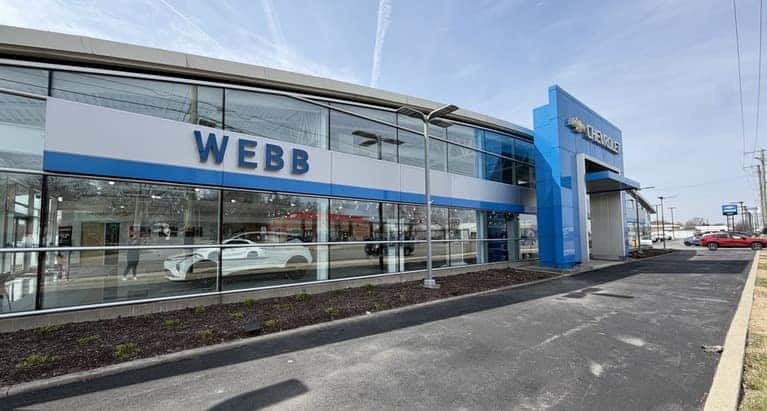
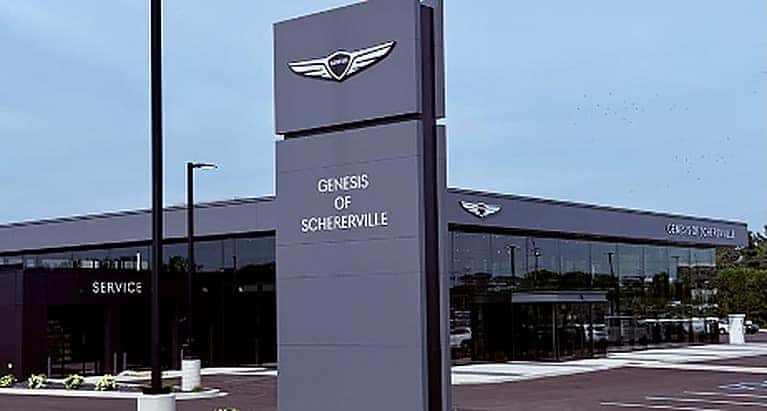
The core idea behind a pre-expiration inspection is the same no matter which brand you drive, but the specific coverage terms, covered components, and inspection checklists do vary by manufacturer. That’s exactly why it helps to have your inspection done somewhere familiar with all three brands. Across the Webb Auto Group network — spanning Webb Hyundai Highland, Webb Hyundai Merrillville, Webb Chevy Oak Lawn, Webb Chevy Plainfield, and Genesis of Schererville — service teams work within each manufacturer’s specific warranty guidelines while following the same general inspection philosophy.
- Hyundai, Chevrolet, and Genesis each publish their own specific bumper-to-bumper, powertrain, and corrosion coverage terms — always confirm yours directly.
- Covered components and required documentation can differ by brand, so ask your service advisor which specific items apply to your vehicle.
- Regardless of brand, the same general categories — engine, transmission, electrical, and suspension — are worth a thorough look before coverage ends.
What’s the Difference Between a Factory Warranty and an Extended Service Contract?
A factory warranty is the coverage that comes standard with a new vehicle from the manufacturer, while an extended service contract is optional additional coverage you can purchase to extend protection beyond the factory terms. Understanding which one currently applies to your vehicle — and when each one starts and ends — is essential before assuming a repair will or won’t be covered. If you’re unsure which coverage currently applies, your service advisor can look up your vehicle’s exact status.
- Factory warranties are included with the vehicle purchase and set by the manufacturer.
- Extended service contracts are optional and can vary widely in what they cover and for how long.
- Some repairs may fall into a gap between the two, so confirming your exact coverage window matters.
Why Should You Get Borderline Issues Fixed While They’re Still Covered?
Once a warranty expires, any borderline issue that wasn’t addressed becomes the owner’s responsibility to repair, even if the early signs were present before the coverage window closed. Getting a thorough inspection done while you’re still covered gives a technician the opportunity to document and address anything questionable before that window shuts. This is the single most practical reason to schedule a pre-expiration inspection rather than waiting until something fails outright.
- Documented issues found while under warranty are far easier to get addressed than issues discovered afterward.
- Early intervention can prevent a minor issue from developing into a larger, more involved repair.
- A documented inspection also gives you a clear record of your vehicle’s condition at the time coverage ended.
Quick-Reference: Common Warranty Types and What an Inspection Should Check
| Warranty Type | General Description | What an End-of-Warranty Inspection Should Check |
|---|---|---|
| Bumper-to-Bumper (Basic/New Vehicle Limited) | Covers most components of the vehicle for a set period or mileage limit, whichever comes first; specific terms vary by manufacturer. | Electrical systems, infotainment, interior components, and any non-powertrain systems showing early wear. |
| Powertrain | Covers the engine, transmission, and drivetrain components, typically for a longer period than bumper-to-bumper coverage. | Engine performance, transmission shift quality, fluid condition, and drivetrain noises or vibration. |
| Corrosion/Rust-Through | Covers rust perforation of body panels, often for an extended number of years with no mileage limit. | Body panels, wheel wells, undercarriage areas, and any paint or seam damage that could allow moisture in. |
| Emissions | Covers emissions-related components as required by federal and state regulations; duration varies by component and manufacturer. | Emissions sensors, catalytic converter performance, and related diagnostic codes. |
| Extended Service Contract | Optional coverage purchased separately to extend protection beyond the factory warranty; terms are set by the contract provider. | Whichever specific components are listed in the contract — always confirm covered items before assuming a repair qualifies. |
How-To Checklist
- How to find your vehicle’s warranty expiration date: Check your VIN through the manufacturer’s owner website, or review your original warranty booklet in the glovebox.
- How to check your current mileage against your warranty terms: Compare your odometer reading to the mileage limit listed in your warranty documentation.
- How to gather your vehicle’s maintenance history: Collect service receipts or pull digital records from your service advisor or manufacturer app.
- How to check for open recalls before your warranty expires: Look up your VIN on the manufacturer’s recall lookup tool or ask your service advisor.
- How to schedule a pre-expiration inspection at a Webb Auto Group rooftop: Contact your nearest Webb Hyundai, Webb Chevy, or Genesis of Schererville service department to book an appointment before your coverage ends.
- How to describe minor symptoms to your service advisor: Note when a noise, light, or feeling occurs (cold starts, highway speeds, turns) so it’s easier to diagnose.
- How to decide whether a repair should be done before expiration: Ask your service advisor whether the issue is currently covered and what happens if it’s addressed after the warranty ends.
- How to plan for coverage after your factory warranty ends: Ask about extended service contract options if you want continued protection beyond the factory terms.
Key Takeaways
- Your warranty ends at whichever comes first — a calendar date or a mileage limit — so check both regularly.
- A thorough pre-expiration inspection should cover the engine, transmission, electrical systems, and suspension, not just routine maintenance items.
- Borderline issues are far easier to address while still covered than after the warranty window closes.
- Warranty terms, covered components, and documentation requirements vary by manufacturer, so always confirm your specific coverage.
- Gathering your maintenance records and recall history ahead of time makes any pre-expiration inspection faster and more useful.
- The same inspection approach applies whether you drive a Hyundai, Chevrolet, or Genesis.
- Scheduling an inspection 60–90 days before your estimated expiration date gives enough time to address anything that comes up.
Frequently Asked Questions
How do I find my vehicle’s warranty expiration date?
Check your VIN through your manufacturer’s owner website, review the warranty booklet that came with your vehicle, or ask your service advisor to look up your current coverage status and mileage.
What’s the difference between a bumper-to-bumper warranty and a powertrain warranty?
A bumper-to-bumper warranty generally covers most vehicle components for a set period or mileage limit, while a powertrain warranty specifically covers the engine, transmission, and drivetrain, often for longer. Exact terms vary by manufacturer, so check your specific documentation.
Can I get a pre-expiration inspection at any Webb Auto Group rooftop regardless of brand?
Yes. The Webb Auto Group network includes Webb Hyundai Highland, Webb Hyundai Merrillville, Webb Chevy Oak Lawn, Webb Chevy Plainfield, and Genesis of Schererville, and each location’s service team can help schedule a pre-expiration inspection for its respective brand.
What happens if a problem is found right after my warranty expires?
Once a warranty expires, repairs for issues discovered afterward are generally the owner’s responsibility, even if early signs were present beforehand. That’s why it’s worth having a thorough inspection done while coverage is still active, so borderline issues can be documented and addressed in time.
How long before my warranty expires should I schedule an inspection?
Scheduling an inspection roughly 60 to 90 days before your estimated expiration date generally gives enough time for a thorough check and any follow-up repairs to be completed while coverage is still active.
Don’t wait for your warranty to run out. Schedule a pre-expiration inspection at your nearest Webb Auto Group rooftop today.


0 comment(s) so far on What to Do Before Your Car Warranty Expires: A Checklist for Chicagoland and Northwest Indiana Drivers